Yadah 999 9
by Pastor Richard Thong
21 June 2026
Key Texts: Daniel 9:4-19; Jeremiah 29:10-11; Ezra 9:6-9; Nehemiah 9:32; Matthew 9:18-25; Mark 9:17-27; Luke 9:38-43; John 9:1-7, 25
Theme: Yadah -- the Hebrew act of praising, confessing, and extending hands to God -- is the believer's response to every season of desperate need, and Scripture's pattern from Daniel's captivity to the four Gospel fathers is consistent: those who cry out to the God who hears will find that he visits, restores, and heals.
Yadah: The Language of Desperate Praise
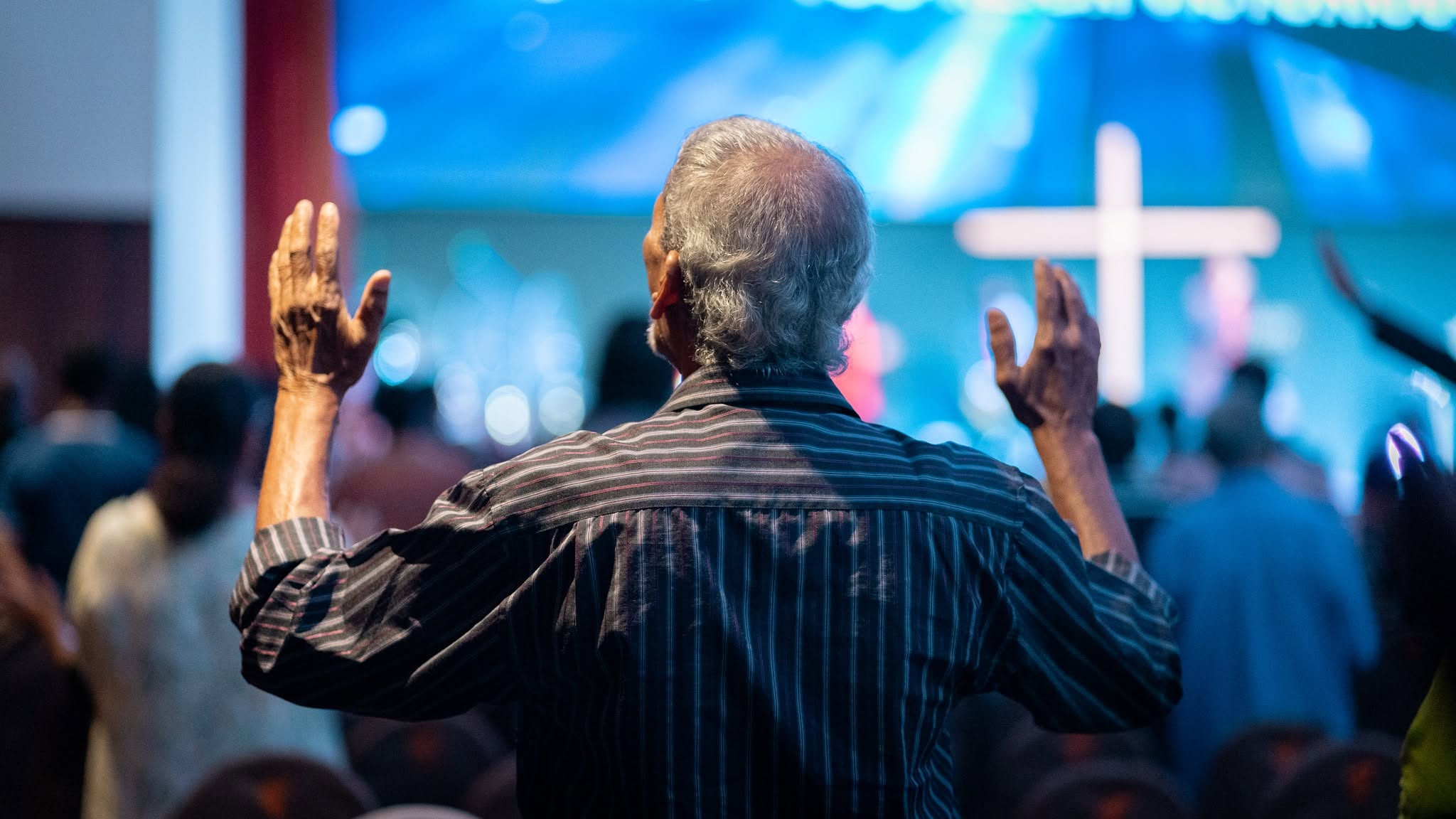
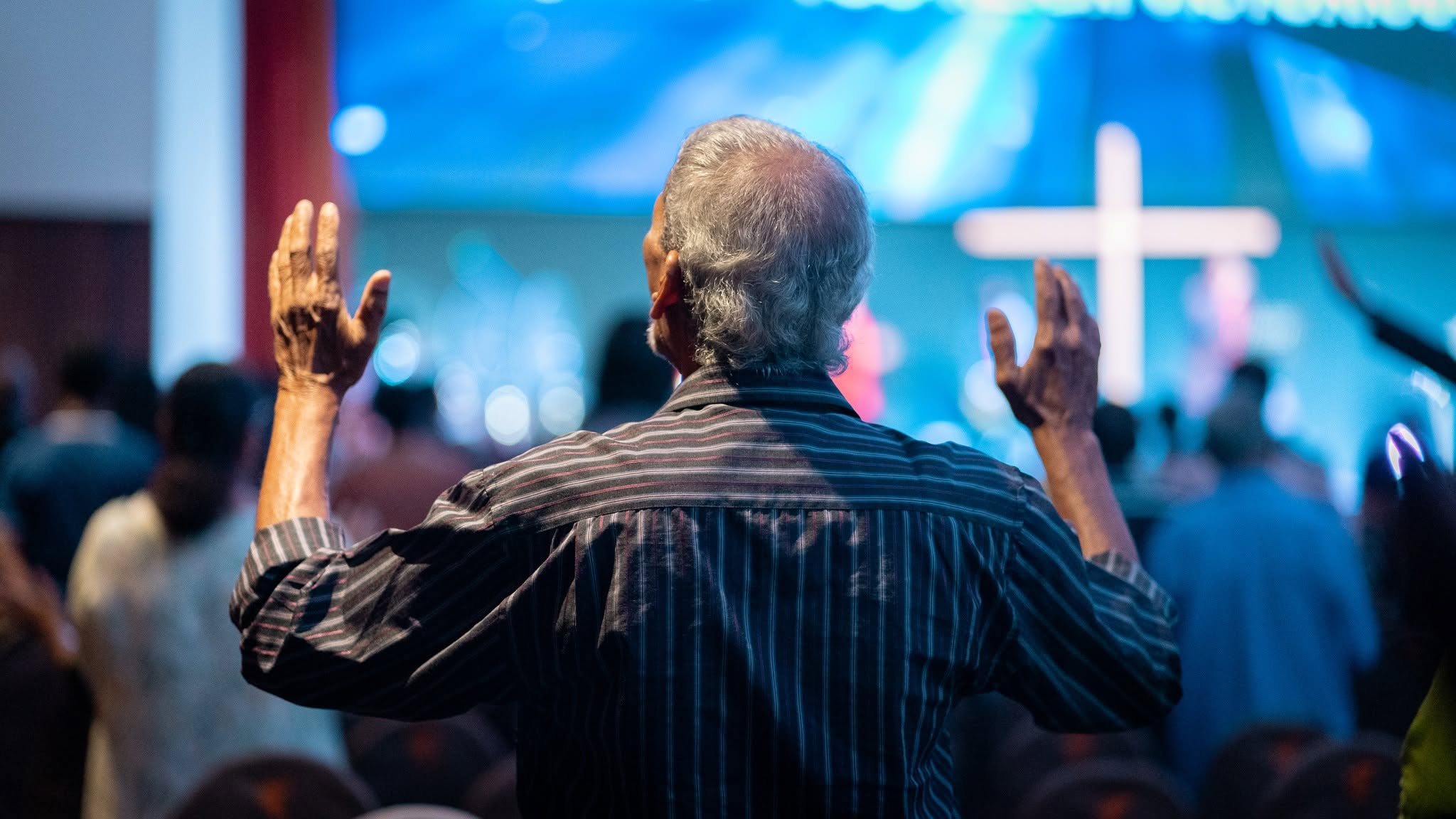
Yadah is a Hebrew word carrying a cluster of related meanings: to praise, to give thanks, to confess, and to throw or extend the hands in worship. Confession in this sense is broader than the admission of sin -- it includes confessing the name of God, the word of God, and the faithfulness of God in the face of impossible circumstances. What comes out of a person's mouth in a moment of crisis reveals what has been accumulated in the heart. The 999 framing of this message is intentional: yadah is the spiritual call that goes out when there is a great need, and the God who hears that call does not stay silent. The invitation is to position the tongue -- and by extension the heart -- toward God when the natural instinct is to panic or retreat.
Application:
In your next moment of pressure, deliberately speak the name and character of God before reacting -- and let what comes out of your mouth reflect what God has placed in your heart.
Daniel Chapter 9: Crying Out in Captivity
Daniel 9 opens with a cry: "O Lord, great and awesome God." Daniel, a young man of royal lineage taken captive to Babylon, had served foreign kings faithfully for decades, yet his prayer was not the prayer of a comfortable man. It was the intercession of a spiritual father over a broken people in exile, confessing the sins of a nation and appealing to the mercy of a covenant-keeping God. The background is Jeremiah 29:10-11 -- often quoted for its promise of hope, but preceded by a sobering detail: God's visit would come after seventy years, not sooner. The reason was sovereign: the people had not given the land its required rest for over four centuries, so God removed them so the land could rest. His timing, however long it felt, was an act of faithfulness, not abandonment.
Application:
When a season of waiting feels unreasonably long, ask God to show you what he may be restoring or resting in your life during the very time you are asking him to act.
Ezra and Nehemiah: Confession That Leads to Restoration
Ezra 9 and Nehemiah 9 follow the same pattern: prayers of deep contrition spoken by leaders bearing the weight of their community's history. Ezra prayed in shame and brokenness, yet anchored his prayer in the fact that grace had been shown -- God had moved through a foreign king to issue a decree allowing the exiles to return and rebuild the temple, with royal provision for the project. Nehemiah named God as great, mighty, and awesome before calling him the God who keeps covenant and loving kindness. In both cases, yadah -- the confession of who God is -- preceded and enabled the rebuilding. Nehemiah ultimately rebuilt the walls of Jerusalem in fifty-two days, a pace that could only be explained by divine assistance. Chapter 9 in each of these books marks the turning point between lament and restoration.
Application:
Before presenting a need to God, spend time first confessing what you know to be true about his character and faithfulness -- and let that confession shape the request.
Three Fathers, One Healer: Matthew, Mark, and Luke Chapter 9
In the Gospels, Matthew 9, Mark 9, and Luke 9 each present a father at the end of his own resources. Jairus fell before Jesus and begged him to come lay his hand on his daughter who had just died -- believing Jesus could reverse even death. When Jesus arrived, mourners had already gathered, but he took her hand and raised her and the news spread through all the region. In Mark 9, a father brought his son tormented by a seizure-inducing spirit; the disciples had already failed him, and he came to Jesus with the raw admission: "If you can do anything, have mercy on us." Jesus drew out from him one of the most honest prayers in Scripture -- "I believe; help my unbelief" -- and healed the boy. In Luke 9, a father pleaded for his only son, and Jesus healed him and gave him back to his father, leaving the crowd amazed at the greatness of God. Each account is a chapter-9 emergency: a desperate cry, and a God who answers.
Application:
Bring the family burden or impossible need you have carried alone before Jesus today -- not with a polished request, but with the raw honesty of the father who said, I believe; help my unbelief.
John 9: The Works of God on Display
John 9 opens with a question that reveals a common human reflex: when confronted with a man blind from birth, the disciples asked who had sinned to cause this condition. Jesus redirected the question entirely -- "Neither this man nor his parents sinned. This happened so that the works of God might be displayed in him." The mud he placed on the man's eyes, made from dust and breath, echoed the creation of humanity itself, and when the man washed as instructed, he came back seeing. His testimony was simple and unassailable: I was blind, and now I see. The burden of guilt that parents often carry for the struggles of their children -- the weight of wondering what they did wrong -- is addressed directly here. God's response to long-standing limitation is not condemnation but display: the time comes when what has been held is lifted, so that his greatness can be seen.
Application:
Release the guilt or shame you have carried over a family member's condition or struggle, and ask God to show you that what he intends is not punishment but a moment in which his works will be put on display.
Life Group Reflection Questions
1. Yadah includes confessing the name and character of God in the middle of desperate circumstances -- not just admitting sin but declaring who God is. When you face pressure or crisis, what tends to come out of your mouth first? What would it look like to make yadah your first response rather than your last resort?
2. Daniel remained faithful and continued to intercede for his people across seventy years of exile -- long after any human timeline would have given up. Is there a situation in your life where you have stopped interceding because the wait has been too long? What would it look like to return to prayer with Daniel's posture of patient, expectant faith?
3. Ezra and Nehemiah both began their chapter-9 prayers by confessing who God is before presenting their community's need. How does your own prayer typically begin -- with your problem or with God's character? What difference might leading with confession of who God is make to how you approach your requests?
4. The father in Mark 9 said, "I believe; help my unbelief" -- one of the most honest prayers in the New Testament. In what area of your life right now does that prayer most accurately describe where you actually are? What would it feel like to say it to Jesus with the same unguarded honesty that father did?
5. In John 9, Jesus declared that the man's blindness was not caused by sin but existed so that the works of God might be displayed. Is there a long-standing difficulty in your family or life that you have interpreted through guilt or blame? What would it mean to reframe it as a situation where God's glory is still waiting to be revealed?
Closing Summary
This message builds on a single Hebrew word -- yadah -- as both a framework and a response. From Daniel's chapter-9 cry in Babylon, through Ezra and Nehemiah's prayers of contrition and restoration, to three Gospel fathers who brought impossible needs to Jesus and received miracles, the consistent pattern is the same: those who extend their hands to God in honest, confessing praise find that he hears and acts. The 999 framing is deliberate -- yadah is the call that goes out when human resources are exhausted. Whether the need is a daughter considered dead, a son in the grip of darkness, or guilt carried for years over circumstances beyond control, God's response is the same as it was in John 9: this is not about condemnation but about the works of God being displayed in a life surrendered to him. The invitation is to cry out, to confess, and to watch God visit.