God is Love
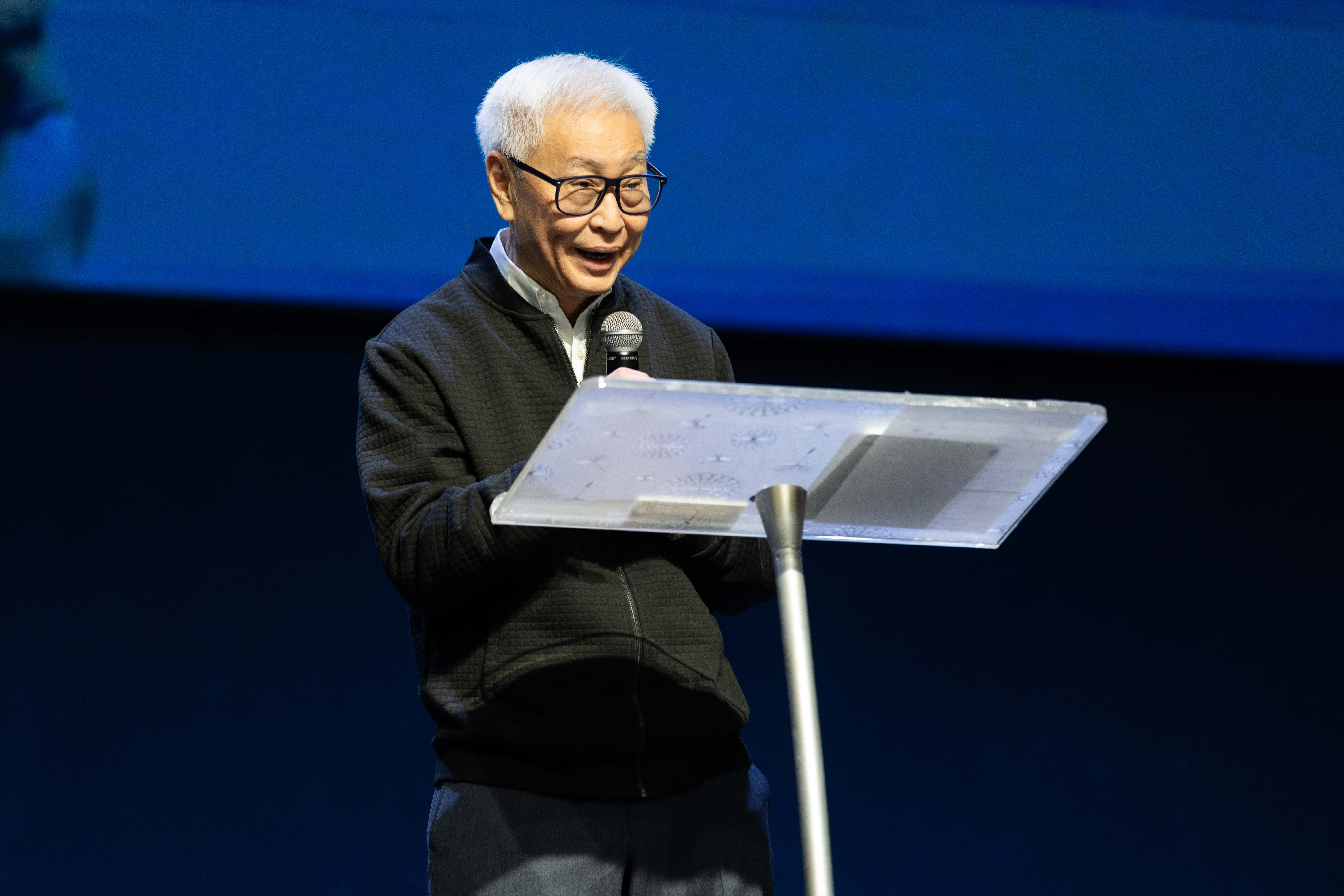
by Dr Tan Siang Yang
11 October 2026
Key Texts: 1 John 4:7–12; 1 John 3:1; Zephaniah 3:17; Ephesians 5:18; Zechariah 4:6; 2 Corinthians 3:18; Romans 5:5; 1 Peter 2:5 and 2:9; Galatians 5:22–23; Luke 5:16; Philippians 4:4; Romans 8; Matthew 6; 1 Corinthians 13
Theme: Because God is love, He lavishes grace on His beloved children and loves them completely whatever they do, and He calls them to receive that love and let the Spirit pour it out in love for others.
God Is Love: The Bedrock Truth
1 John 4:8 states that God is love, three crucial words that are worth committing to memory. Of everything Scripture says about who God is, this is the foundational truth, and theologians in the Western world have in recent years urged a return to it as the bedrock beneath all biblical and theological study. Without it, a God who is holy, all-knowing, everywhere present, all-powerful, and all-wise would be dangerous, and believers would have reason for the neurotic, pathological fear of God that cripples those who think every failure invites punishment. Because God is love, none of His attributes needs to be feared, for He is lovingly holy, lovingly all-powerful, lovingly all-knowing, lovingly everywhere, and lovingly all-wise. The other truths about God remain fully true, but love is fundamental, and neglecting it leads to academic arrogance and theological pride.
Love also means that God is relational and personal. Christians believe in one God in three persons, Father, Son, and Holy Spirit, who existed in a community and communion of eternal love long before Adam, Eve, or the angels were created, so that God was never lonely. The opposite of this fellowship is the unholy trinity of "me, myself, and I", the selfish and human-centred outlook of sinful people. Jesus came to save sinners and to bring them through His precious blood into the fellowship of the Trinity, where they share in eternal love now and forever in heaven and the new earth.
Application:
Name one way you have feared God as a harsh judge, and this week replace that fear by thanking Him aloud that He is lovingly holy and lovingly powerful toward you.
Beloved First: The Heart of a Shepherd
In 1 John 4:7 the apostle addresses his readers as "dear friends", which can also be rendered as dearly beloved members of the family of God. This reveals a pastoral heart, and the basic attitude of every church member and leader toward one another should be that of beloved friends who pray for one another daily, which is the most loving thing they can do. A pastor must first be a shepherd with a father's or mother's heart, and the corporate CEO model should not be imposed on the church. Servanthood outranks leadership, because leadership concerns power and must be tempered by humility, and discipleship is more important still. Most fundamental of all is the truth that the believer is God's beloved son or daughter, without which prayer, Bible reading, and solitude turn into legalism and rob the believer of the joy of the Lord.
When the believer rests in being loved, he receives grace upon grace and lets the Holy Spirit fill and anoint him. Ephesians 5:18 calls believers to be continually filled with the Spirit, Zechariah 4:6 says the work is done not by might nor by power but by His Spirit, and 2 Corinthians 3:18 teaches that the Holy Spirit makes the believer more and more like Jesus. Transformation therefore comes primarily from being touched by the Spirit, who pours God's love into hearts according to Romans 5:5, while prayer and Bible reading, though important, are secondary. Every believer is also a priest and minister to the rest, since 1 Peter 2:5 and 2:9 address a royal priesthood in the plural, so the whole church is called to shepherd one another with love. The church is an organism of living people and only secondarily an organisation.
Application:
Pray today by name for a fellow believer, approaching that person as a dearly beloved friend in the family of God.
Power, Gifts, Truth, and the Fruit of Love
Pentecostal and charismatic churches rightly emphasise the power of the Holy Spirit and the gifts of the Spirit listed in 1 Corinthians 12, Romans 12, 1 Peter 4, and Ephesians 4, which He gives sovereignly according to His will and not according to human demands. Equally important is the truth of the Spirit, since John 14 and 16 describe the Spirit of Truth who guides into all truth, which calls believers to go deep into the Word and to be evangelical in the sense of being people of the Word. Galatians 5:22–23 adds the fruit of the Spirit, which is singular in the Greek: the fruit is love, and the qualities listed with it are aspects of that one fruit. Power and gifts without love can be abusive, and power without truth can become heretical. Power grounded in truth and expressed in love, however, brings renewal, revival, healing, and salvation.
The Spirit does not always work dramatically but can also work quietly, giving the gift of tears that the early church fathers and mothers knew. A person may weep over repentance, over being touched by God's love, over joy, or over the desire to pray for others, and this gift should not be dismissed. Constant pursuit of power and an adrenaline high is unsustainable for the brain and the body and can breed pride in one's gifts. Luke 5:16 shows Jesus, in the middle of casting out demons, preaching, and healing, withdrawing into the wilderness to pray, choosing rest without anyone prompting Him. The sign of a Spirit-filled person is therefore not power alone but power with love.
Application:
Set aside time this week to withdraw into quiet with the Lord, and ask the Spirit to grow His fruit of love in you before asking for more power.
Love as the World's Greatest Need
1 John 4:8 states that whoever does not love does not know God, because God is love. Theologians and even secular voices describe love as the most powerful therapeutic and healing force in the world. A trained clinical psychologist knows many counselling techniques, yet their effect depends less on technique than on compassion, warmth, empathy, and genuine love for the person being helped, and the presence and anointing of the Spirit are still needed. Since God is love, the greatest need of the world is God Himself, and only in Jesus Christ can love be fully experienced and received.
Verse 9 explains how God showed His love: He sent His one and only Son into the world so that people might live through Him. Jesus did not come to condemn, since people are already condemned by their sin, but to save and to give grace. Grace is what cannot be earned and is not deserved, yet God gives it anyway, and this is the good news shared with the whole world. Verse 10 adds that love consists not in people loving God first but in God loving them first and sending His Son as an atoning sacrifice for sin, so that believers have eternal life now and need not fear death.
Application:
Show warmth and genuine care to one person this week as a way of pointing that person to the God who is love.
A Generous God, Not a Stingy One
The Japanese theologian Kosuke Koyama observed that every Christian, and especially every Christian leader, must decide sooner or later whether the God they serve is generous or stingy. Believers from Asian and non-Christian backgrounds often carry residual ideas of angry gods who are always ready to punish and curse rather than bless. Satan uses these leftovers to deceive believers into thinking they must pray, fast, do penance, and perform good works in order to beg a trickle of blessing from a stingy God. This is a lie of the evil one, for God is the most generous person in the world, and His grace is radical and amazing, God's riches at Christ's expense.
1 John 3:1 shows the scale of this generosity: the Father has lavished great love on believers so that they are called children of God, and the word lavish means poured out. Romans 5:5 says God has poured His love into hearts through the Spirit, which is not a trickle or a small stream but an outpouring like Niagara Falls, recalling the rivers of living water of John 7. It is like expecting one gift under the Christmas tree and receiving a hundred. Such love is a reason to rejoice always, as Philippians 4:4 urges. Stingy people are not Spirit-filled people, because those touched by the generous love of God become the most generous people in the world.
Application:
Each morning, thank God aloud that He is generous and has lavished His love on you, instead of striving to earn His favour.
Four Ways God Answers Prayer
Some believers conclude that God is stingy because a prayer for a spouse, a job, or another need has gone unanswered for five or ten years, yet God always answers prayer, though not always with yes. Drawing on Ted Engstrom, there are four answers, two of them yes and two of them no. The first is yes with pleasure, when God gives what is asked according to His will. The second is yes with pleasure and much more to come, as when a job is followed by a promotion and then a pay rise. The third is no, not yet, which means wait. Waiting is hard in an age of instant results, but it is essential to spiritual formation, because patience belongs to the fruit of the Spirit and no one becomes more like Jesus without learning to wait.
The fourth answer is a definitive no, which is the hardest to accept and the one that leads people to say God did not answer. Yet every final no from God carries a comma and not a full stop: no, comma, because I love you too much. God knows the beginning from the end, and He loves too much to give what would ultimately destroy, so He gives what is needed even when it is not what is wanted. A similar caution applies to marriage and singleness, for the grass is not greener on the other side of either in a fallen world, and true spiritual renewal comes only when the Lord is Shepherd and makes His people lie down in green pastures. Romans 8 assures the believer that God is for him and not against him, and that nothing can separate him from His love.
Application:
Take one unanswered prayer to God today and ask Him to show whether His answer is yes, wait, or no with a comma, then rest in His love whichever it proves to be.
Nothing More, Nothing Less: God's Complete Love
Zephaniah 3:17 says the Lord takes great delight in His people, quiets them with His love, and rejoices over them with singing, so God does not merely love His people but likes them. Many young people say they know God loves them but doubt that He likes them, and this is a lie of the devil. Philip Yancey, in What's So Amazing About Grace, argues that nothing a person can do will make God love him any less, and nothing will make God love him any more. Because God is love, His love is a complete one hundred percent, always at its maximum, and any change in it would mean He is no longer perfect. A person may grieve Him, may not feel His presence, and may need His discipline, yet the love remains. The only unforgivable sin is continued rejection of Jesus Christ until death, and every other sin can be forgiven.
This truth frees the believer from striving to earn what is already given. There is no need to punish oneself, or to pray longer and louder as though God were deaf, in order to be loved. In Matthew 6 Jesus warned against praying like the pagans who go on and on, and gave a prayer of about fifty-seven words in most English translations that covers everything in prayer. Depth matters more than length, and praying in the Holy Spirit, as Ephesians 6 and Jude teach, is praying deep. One example is a prayer list of over six hundred people, each lifted up for a few seconds every day, since God knows what each one needs. The bottom line is to receive with thanksgiving, to say thank you for grace upon grace, and to let the Holy Spirit fill the believer and flow out to others.
Application:
Stop trying to earn God's love through longer or louder prayers, and receive His love today with a simple prayer of thanks.
Seeing God Through Love
1 John 4:12 teaches that no one has ever seen God completely, since visions and revelations are only partial until heaven, and Jesus came to reveal the Father. Yet when believers love one another, God lives in them and His love is made complete in them. People catch glimpses of God whenever love is shown and the Spirit produces the fruit of love, so that people see God when they see love. Verse 11 adds that since God so loved believers, they ought also to love one another generously, with His love flowing through them by the Spirit.
For this reason the believer should not become caught up in trying to do great things for God, such as growing a church by the numbers, but should simply do things for a great God. Sometimes the great God calls His people to do nothing but be quiet with Him in the wilderness, and more often He calls them to do small things with great love, as Mother Teresa taught. In the light of 1 Corinthians 13, small things done with great love become great, because love is the greatest. Results belong to God, who may grow a church from fifty to five hundred to five thousand, and the believer's task is to join God in the process rather than ask Him to join in. The believer does not ask God to bless him but blesses the name of God, and God's blessing flows.
Application:
Choose one small, concrete act of love for someone this week and do it as an offering to God, leaving the results to Him.
Life Group Reflection Questions
1. The message says that if God were not love, His holiness, power, and knowledge would be dangerous. In what ways have you feared God as harsh rather than lovingly holy, and how does 1 John 4:8 change the way you come to Him?
2. Being God's beloved was described as more fundamental than discipleship, because without it prayer, Bible reading, and service become legalism. Where have these become things you do to earn love rather than ways of resting in it?
3. Kosuke Koyama asked whether the God we serve is generous or stingy. Which do your daily prayers and choices reveal that you believe, and what leftover ideas from your background might need to be replaced by the truth of 1 John 3:1?
4. God answers prayer in four ways: yes with pleasure, yes with more to come, no not yet, and no with a comma. Which unanswered prayer are you holding at present, which of the four might be God's answer, and how could the group support you while you wait?
5. "Don't try to do great things for God. Simply do things for a great God." What small act of love is He asking of you, and how might the group help one another see God through love, as 1 John 4:12 describes?
Closing Summary
This message traces a single, consistent thread: God is love, and every other truth about Him must be read through that bedrock truth. From the claim that He is lovingly holy and lovingly powerful, to the call to love one another so that others glimpse Him, the pattern is the same. The Father lavishes His grace, answers every prayer with a yes, a wait, or a no that carries a comma, and loves His children completely, with nothing to earn and nothing to lose. The call of this message is to stop striving, receive His love with thanksgiving, be filled with the Spirit, and let that love flow out in small acts for a great God.