For-give as You Were For-given
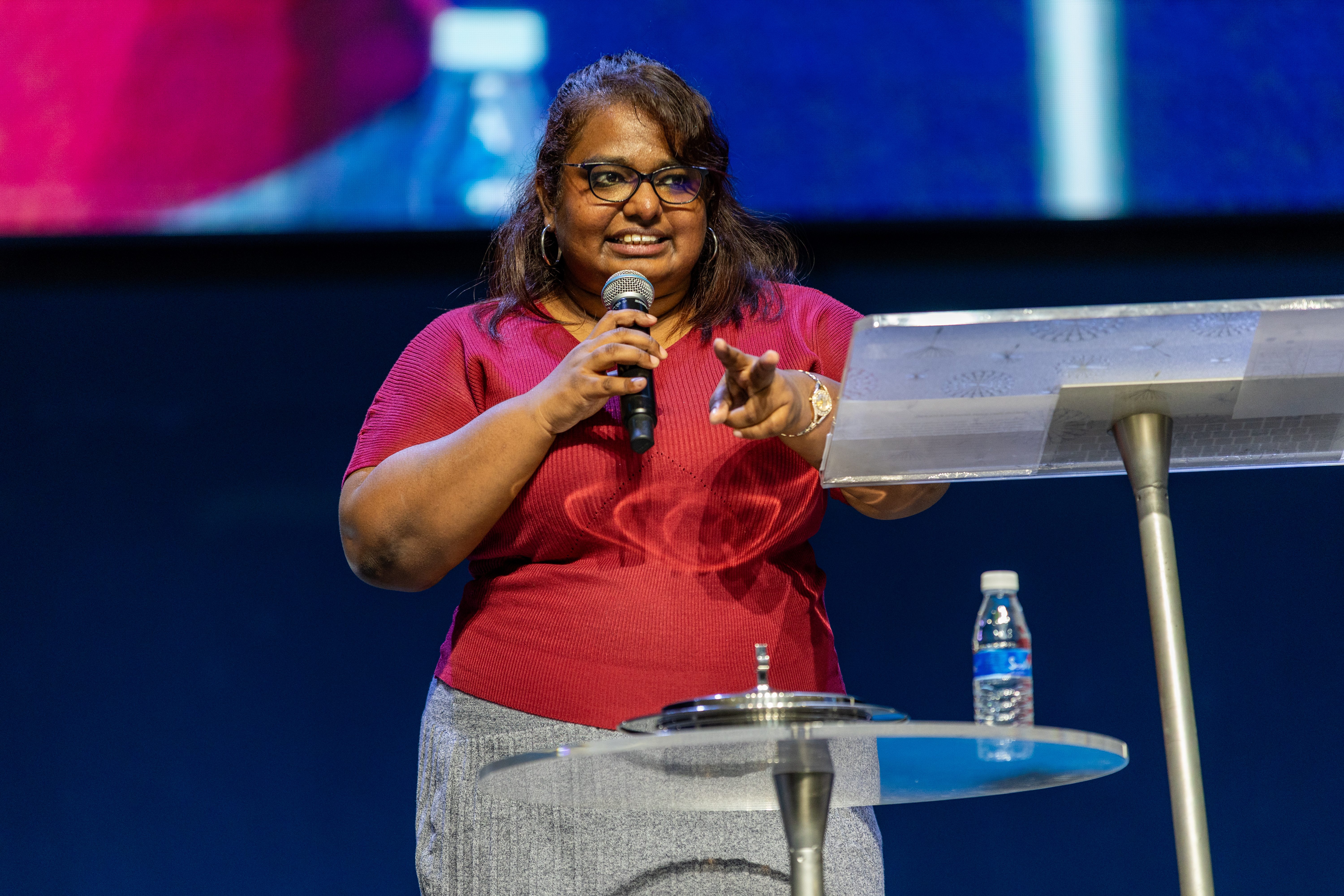
by Pastor Sarah Anbu
18 October 2026
Key Texts: Colossians 3:12–14; Matthew 6:12; Matthew 6:14–15; Luke 23:34; Psalm 55:12
Theme: Because the Lord has graciously forgiven every believer, each is called to release those who have hurt them, not by denying the pain but by handing the record book to the righteous judge and choosing forgiveness again each day.
The Internal War of Louis Zamperini
Louis Zamperini, an Olympic runner turned bombardier in World War II, survived forty-seven days stranded at sea on a raft, only to be captured by the Japanese Navy. In a prisoner of war camp he met a guard, Mutsuhiro Watanabe, nicknamed the Bird, who singled him out for systematic physical and psychological abuse, beating and starving him in an effort to break his spirit. When the war ended and Louis returned home, the physical war was over, but an internal war raged on. Every night he had nightmares about the Bird, he turned to alcohol to numb the pain, and his marriage crumbled. The man who abused him was no longer in the room, yet Louis still carried everything that had happened. Only when he surrendered his life to Christ at a Billy Graham crusade did he realise that forgiving the Bird was not about saying that what happened was acceptable but about laying down the record book and handing it to the righteous judge.
Application:
Ask the Lord to show you what you are still carrying from a past hurt, and name it honestly before Him today.
For-give: A Gift Already Received
The word forgive can be heard as for and give: when something is given to another, whether time or money, thought goes into it and action follows. Forgiveness has already been given to the believer, handed over in full, and the task now is to give it on to others. Forgiveness is spoken of often in church and in Life Groups, songs about grace are sung, and the Lord's Prayer is prayed with its request to forgive debts as the one praying has forgiven debtors (Matthew 6:12). Yet if believers are honest, forgiveness is often the hardest and most uncomfortable command Jesus ever gave. Unforgiveness among mature believers is rarely about schoolyard slights or pride but about pain, scars, hurt, and words, and the older a person grows the longer such things take to let go, because they have marinated within.
Colossians 3:12–14 gives the pattern. Since God has chosen believers to be holy and loved, they are to clothe themselves with tender-hearted mercy, kindness, humility, gentleness, and patience, making allowance for each other's faults and forgiving anyone who offends them. The reason given is plain: remember that the Lord forgave you, so you must forgive others. Above all, believers are to put on love, which binds everyone together in perfect harmony.
Application:
Read Colossians 3:12–14 slowly today, and ask the Lord to clothe you with mercy, kindness, humility, gentleness, and patience toward the person you find hardest to forgive.
Why Forgiveness Is Hard: Wreckage and Stolen Years
Unforgiveness does not look the same for everyone, and different kinds of betrayal trap people in different ways. The first is catastrophic wreckage, in which one person's choice, or a double life, blows up a marriage, fractures a family, ruins finances, and takes years of a person's life. The one wronged sits in the rubble of a former life, picking up the pieces with bleeding hands and rebuilding from ashes. To tell such a person simply to forgive can feel like saying that what was done did not matter, and like an insult to the tears of the dark nights and to the hard work of restoring sanity.
The second is systematic theft, the robbing of innocence and potential. This loss is not accidental but built into patterns that compound over time, often in childhood or in a season of vulnerability, at the hands of a parent, leader, spouse, or trusted mentor who took advantage of trust and robbed a person of safety, self-worth, or future. The difficulty lies in forgiving a debt that can never be repaid, since the years of childhood, faithfulness, love, time, and effort cannot be restored. Such wounds raise the honest question of how to forgive someone who can never pay back what was taken.
Application:
Tell God honestly what was taken from you, without minimising it, and ask Him to carry what the other person can never repay.
Betrayal by Someone Close
The third and most painful kind is betrayal by someone closest, such as a brother, sister, spouse, or close friend, someone who sat at the dinner table, prayed together, and knew one's deepest secret. A stranger's betrayal hurts but can be avoided, whereas betrayal by family wounds the spirit because it shatters the ability to trust anyone. Unforgiveness then becomes armour, with fences and walls built so that no one can cause that hurt again, and distance is kept even from those nearest. King David knew this pain, as Psalm 55:12 shows: an enemy's insults he could have endured, but this was a man like himself, his companion and close friend. Biblical commentators widely believe the betrayer was his trusted counsellor Ahithophel, who defected and joined the rebellion of David's son Absalom.
Application:
Bring to Jesus the name of someone close who hurt you, and tell Him honestly how the betrayal has shaped the walls you keep.
What Forgiveness Is Not
Jesus is not asking the believer to forgive and forget as though the pain no longer counts. On the cross He prayed, "Father, forgive them, for they do not know what they are doing" (Luke 23:34), yet He was not pretending that the beating, slapping, and spitting did not hurt. Forgiveness is not absolution or amnesia, and God does not ask anyone to pretend that the wreckage never happened. Nor does it declare that what was done was acceptable, for it was wrong and evil, and it broke God's heart before it broke the believer's.
Forgiveness also does not mean immediate reconciliation or handing power back to an abuser. It can be said, "I forgive you, but you must earn my trust again." Boundaries are wise, and believers are to be as wise as serpents and as gentle as doves. Trust is earned, whereas forgiveness is a quiet release that takes place in one's own heart.
Application:
Separate forgiveness from trust today by releasing the person into God's hands while keeping wise boundaries until trust has been earned.
The Record Book and the Righteous Judge
Scorekeeping is the habit of recording each offence, who did it, when, and how often, until the record book grows into a heavy ledger that the believer carries everywhere. Forgiveness means taking that book, stained with blood and tears, and handing it to the righteous judge of the universe. It is saying, "I step down as your judge, jury, and executioner, and I let God deal with you," so that the person no longer has to be carried in the heart. It is done out of a desire for right standing with God, with vengeance left to Him.
Forgiveness is also not a one-time emotional high but a process that comes in stages. The same person and the same thought may return the next morning, and the believer must choose again, saying, "Lord, I choose to release them again today," as many times as needed. Those who cannot yet forgive are encouraged to release little by little, depending on the Lord to lift the hurt and the scars rather than pretending they are not there. Unattended unforgiveness is like toenails left untrimmed or calluses left on the heel, which grow hard and become difficult to cut away, and the poison of the scar sinks deeper and makes bitterness harder to remove. The freedom on the other side is worth the choice.
Application:
Each morning this week, say aloud, "Lord, I choose to release them again today," for the one name that keeps returning.
Why God Commands the Unnatural: A Personal Testimony
God knows that people are human, yet He still commands forgiveness because He loves believers too much to let the person who hurt them ruin the rest of their lives. He has great plans and purposes for each life, and bitterness would become a hindrance and an obstacle to them. This teaching comes not only from Bible verses but from personal experience. One believer, sent as a child between the ages of three and five to live with adoptive parents, was visited by her biological mother, who came with her brothers. She would stand at the gate and cry, asking why she was not taken along, and felt rejected as the only daughter among sons.
Her adoptive parents taught her that Christians forgive whatever is done to them and that she should be the bigger person, even calling her siblings on their birthdays when her own went unmarked. Forgiveness did not come overnight, and to say "I love you" to her mother straight away would have been a lie, for it took time and a growing trust that God had a plan for her. To this day hurtful words are sometimes spoken at family gatherings, and her response is first to choose not to react and then to say, "Lord, I choose to release." The reason is humility: she is not perfect, much has been graciously forgiven her, and so it is not for her to withhold forgiveness from others.
Application:
Look back on a painful season and ask God to show the purpose He worked through it, while you choose again to release those who caused it.
Forgiven, Therefore Forgiving: An Invitation to Release
Matthew 6:14–15 teaches that if believers forgive others when they sin against them, their heavenly Father will also forgive them, but if they do not forgive others, the Father will not forgive their sins. The believer who grows to understand this wants to stand rightly before God and to come to Him in prayer without anything held against another. A name or a face may come to mind, and the wound may feel fresh, as if a dagger had been placed in the heart and twisted. Even then, the invitation is to release the pain to Jesus and begin healing, a matter between the person and the Lord that does not depend on what the other person does.
Letting go of past hurts frees the believer to receive God's peace, beauty, and restoration, and what belongs to the past must stay there, or the past will take root in the heart. The believer is invited to ask the Lord who needs to be forgiven, whether a spouse, a child, a father, a mother, a sibling, or a close friend. The choice is made in gratitude for the forgiveness already received: "Lord, I choose to release them into Your hands." The altar offers a place to take that step toward restoration and healing, and to release the unforgiveness held in the heart.
Application:
Come to the altar or to a quiet place this week and release one named person into the Lord's hands, saying, "Lord, I choose to forgive."
Life Group Reflection Questions
1. Louis Zamperini's abuser was no longer in the room, yet nightmares, alcohol, and a failing marriage followed him home. What are you still carrying from someone who is no longer present, and how has it shaped your habits or relationships?
2. Three kinds of wounds were named: catastrophic wreckage, systematic theft, and betrayal by someone close. Which is nearest to your own story, and what makes forgiving it so difficult?
3. Forgiveness was described as not amnesia, not approval, and not immediate reconciliation. Which of these misunderstandings have you held, and how does separating forgiveness from trust change the way you see a difficult relationship?
4. "Lord, I choose to release them again today." What would a daily practice of releasing look like for you, and who in the group could pray with you as you do it?
5. Colossians 3:13 and Matthew 6:14–15 ground forgiveness in the forgiveness we have already received. How does remembering what the Lord has forgiven in you change the way you think about the person you struggle to forgive?
Closing Summary
This message traces a single, consistent thread: believers are called to forgive as they have been forgiven. From the internal war of a former prisoner of war to the pain of wreckage, stolen years, and betrayal by those closest, the pattern is the same. Forgiveness is not forgetting, approval, or instant reconciliation, but a daily choice to hand the record book to the righteous judge and trust God with the outcome. God commands it because He loves His people too much to let a wound ruin the rest of their lives. The call of this message is to remember the grace received, release the one who hurt you into His hands, and walk toward healing and restoration.


