Desperate Times, Desperate Measures
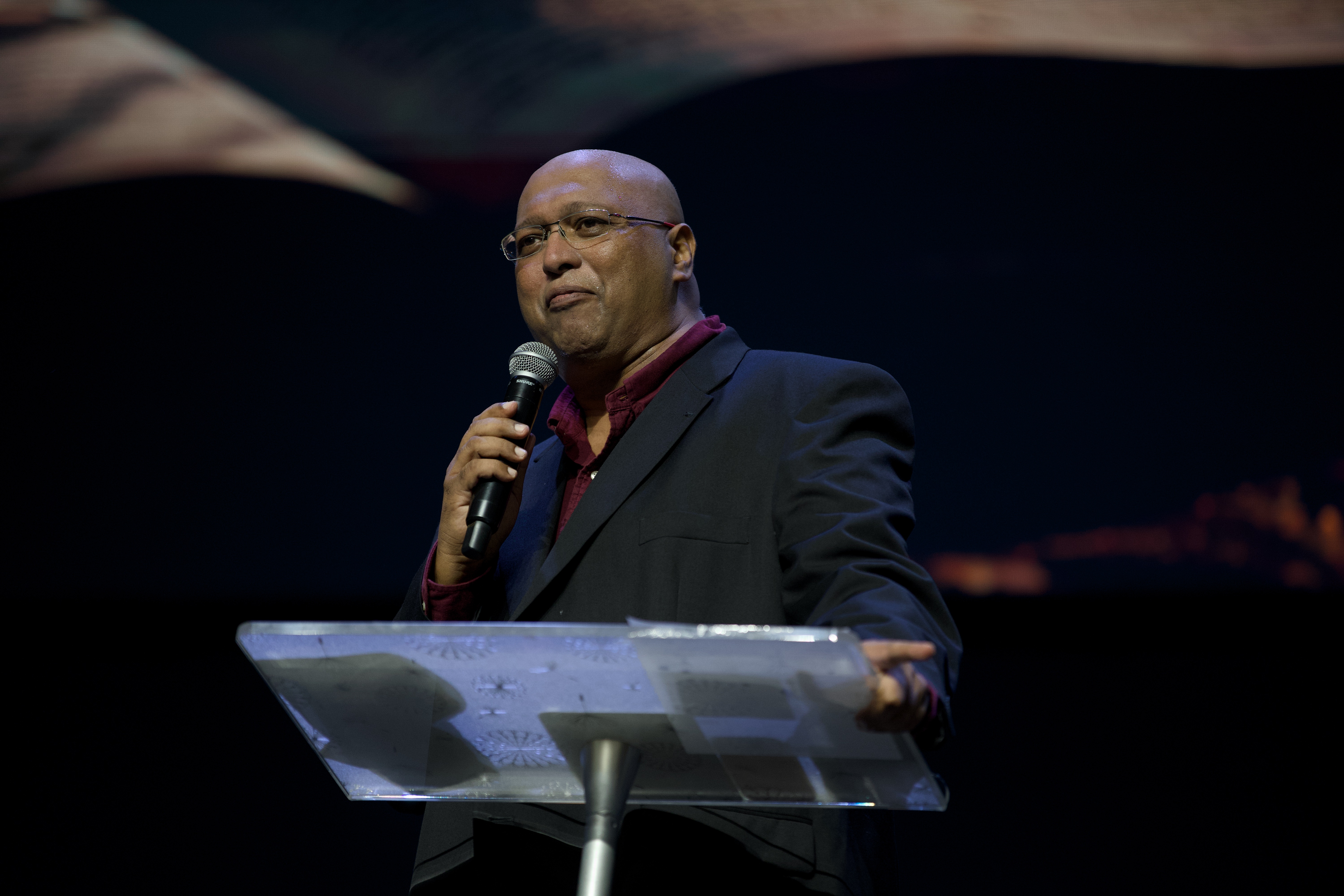
by Pastor Sean Prasad
04 October 2026
Key Texts: Mark 5:25–34; Matthew 9; Mark 6:56; 1 John 5:4; Philippians 4:13; Matthew 26; Numbers (the tassel)
Theme: In desperate times the believer is called to take desperate measures of faith: pressing through the crowd, bringing faith to Jesus, and receiving the identity He gives, because all who touch Him are healed.
The phrase "desperate times call for desperate measures" traces back to Hippocrates, a physician of the fourth century BC, who wrote in his aphorisms that extreme diseases require extreme methods of cure. English literature of the sixteenth and seventeenth centuries gave the idea its familiar wording, "desperate diseases must have desperate cures", and a similar phrase appears in Hamlet, Act 4, Scene 2. Over time the words disease and remedy gave way to times and measures. A fitting restatement is that desperate times demand dramatic solutions.
The principle finds its biblical picture in Mark 5:25–34, a passage also recorded in Matthew 9. A woman had suffered a flow of blood for twelve years and had endured many things from many physicians. She had spent all she had, yet she was no better but rather grew worse. Hearing about Jesus, she came behind Him in the crowd and said, "If only I may touch His clothes, I shall be made well." Immediately the flow dried up, and Jesus, aware that power had gone out of Him, asked who had touched His clothes. She came trembling, fell before Him, and told Him the whole truth, and He said, "Daughter, your faith has made you well. Go in peace and be healed of your affliction."
Application:
Name the situation in your life that feels beyond every ordinary remedy, and take one deliberate step of faith toward Jesus today instead of waiting for circumstances to change.
Exploited, Broken, and Left with Nothing
Mark 5:26 records that the woman suffered many things from many physicians and spent everything she had. The very people who were supposed to heal her instead caused her harm, and she was left exploited, broken, and with nothing. Many believers know this experience, because people who were trusted and who were meant to help, empower, and enable them, whether family members, spouses, or leaders, have instead exploited and wounded them. Arriving at a place of nothingness, with nowhere left to turn, is a real and painful place to stand. One testimony from such a season, a complete loss in 1998 that included the loss of ministry, carries a lasting truth: people can take a person out of ministry, but they cannot take ministry out of that person.
Application:
Bring the hurt caused by those who were supposed to help you honestly before God, and refuse to let their failure be the final chapter of your story.
Faith That Remains When Everything Is Lost
The woman was physically, mentally, and financially broken, with no resources left, no doctors to turn to, and no money to pay. One thing remained to her, and that was faith. A person may lose family, marriage, and finances, yet faith must not be lost. Faith is the reality of what is hoped for and the evidence of things that cannot be seen, and 1 John 5:4 teaches that the believer overcomes the world by faith. No circumstance or circumference is beyond the reach of such faith, which makes the believer an overcomer. The woman held on to her faith even though those she trusted had taken everything she had.
Application:
Hold on to your faith in the area where you have lost the most, and rehearse 1 John 5:4 each day as a reminder that faith overcomes the world.
The Crowded World, Mind, and Heart
Believers want to experience God's healing and power, just as the woman did, yet the same problem that stood between her and Jesus stands before believers today: a crowd. The world is crowded with destruction, noise, and conflicting ideologies, and even the church can become crowded. The mind can be crowded with depression, anxiety, fear, shame, and condemnation. The heart can be crowded with unforgiveness, unbelief, and unconfessed sin. The woman was crowded on every side that day, but she knew she needed to get to Jesus, because He is the promise for her life.
Application:
Identify what crowds your mind and your heart, whether anxiety, shame, unforgiveness, or unconfessed sin, and lay each one before Jesus before you next gather to worship.
Pressing In: Crushed Before Crowned
The first response modelled by the woman is to press through the crowd. In the King James Version of Mark 5:27 the word is "press", and in the original Greek it carries the picture of pressing olives for oil and grapes in a winepress. She was crushed before she was crowned. Every believer meets crushing in some form, whether a crushed dream, goal, faith, or hope, and God allows it. The promise is reached through the process, and the crushing is the road to being crowned.
The same posture applies whenever an altar call is given. Broken, bleeding, and wounded people are candidates to touch Jesus, so no one is disqualified by brokenness. Pride and ego must be crushed, which means refusing to sit back and wonder what a neighbour thinks, even when the person is an elder, a leader, or a deacon. The woman did not have a nominal Sunday morning faith but an unlimited and unstoppable one, and nothing was permitted to come between her and the promise.
Application:
Respond to the next altar call without hesitation, setting aside concern for what others think, and bring your brokenness to Jesus.
Speaking to Yourself: Two Essential Conversations
Mark 5:28 records that the woman spoke to herself, saying that if she could only touch His clothes, she would be made well. Two conversations matter most in a believer's life: one with God, and one with oneself. The second conversation means telling oneself what God thinks of the believer, rather than what a relative or acquaintance says. Looking in the mirror and declaring that one is a masterpiece made in God's image, and that one can do all things through Christ (Philippians 4:13), shapes the way a life is lived.
An illustration comes from Oprah Winfrey, who is cited from a recorded and documented interview as saying that she grew up believing Jesus Christ was her father, told others so when asked, and never thought there was anything she could not do because Jesus was her father. One of the greatest struggles for many is the need for validation from one person after another. What God says about a person must carry greater weight than what others say, and speaking His word over oneself each day changes a life.
Application:
Stand before a mirror each morning and speak aloud what God says about you, beginning with Philippians 4:13.
A Faith That Touches Before the Hand
The woman's faith touched Jesus before her hand touched His garment. Some scholars connect the garment with the tassel described in the book of Numbers, through which healing is believed to flow, although it is uncertain whether she knew this. What is certain is that she had faith before she met Jesus and before she touched Him. Believers are therefore called to bring faith to church rather than depression, unbelief, hurt, and pain, and to display that faith before God week after week so that a miracle may be experienced.
There are two kinds of people: those who wait for God to touch them, and those who cannot wait to touch God. Some wait comfortably where they are and describe it as waiting on God, yet the call is to change attitude, approach, and spiritual lifestyle. The woman who broke the jar in Matthew 26 is remembered wherever the gospel is preached because she was willing to anoint the Anointed One. The right posture is to be a person of a great God rather than a great person of God, and worship is offered before an audience of one.
Application:
Come to the next gathering carrying your faith rather than your hurt, and move toward Jesus instead of waiting to be approached.
A New Identity and an Open Invitation
Jesus publicly acknowledged the woman, calling her "Daughter", and in that moment her identity was changed culturally, socially, and physically. She came for the healing but stayed with the name. In the same way, a person who responds to God at the altar is given a new identity in Christ: blessed, loved, chosen, called, a citizen of heaven, transformed, gifted, healed, empowered, and more than a conqueror. Names, whether good or poor, do not determine this identity.
An objection may arise that the woman possessed a kind of faith that others do not have. Mark 6:56 answers it: when Jesus entered villages, cities, or the country, people laid the sick in the marketplaces and begged that they might touch even the hem of His garment, and as many as touched Him were made well. Background, level of faith, and tithing record are not named as conditions. Every person who touches Jesus is therefore a right candidate for healing.
Application:
Take the step of touching Jesus today, regardless of your background or the size of your faith, and receive the identity He gives you.
Life Group Reflection Questions
1. The woman was harmed by the very people who were supposed to heal her. Where have trusted people hurt or exploited you, and what would it look like to bring that wound to Jesus rather than carry it alone?
2. The message names a crowded mind (depression, anxiety, fear, shame, condemnation) and a crowded heart (unforgiveness, unbelief, unconfessed sin). Which of these most crowds your approach to Jesus right now, and what is one step toward clearing it?
3. "She was crushed before she was crowned." What crushing of a dream, goal, or hope have you experienced, and when an altar call is given, what thoughts keep you in your seat that you would need to set aside in order to press in?
4. The message describes two essential conversations, one with God and one with yourself. When you look in the mirror, what do you tell yourself, and which of the identity words (blessed, loved, chosen, called, healed, more than a conqueror) is hardest for you to believe? How could the group speak these over one another?
5. There are two kinds of people: those who wait for God to touch them and those who cannot wait to touch God. Which describes you at this season, and how does Mark 6:56, where as many as touched Him were healed, speak to the thought "I do not have that kind of faith"?
Closing Summary
This message traces a single, consistent thread: in desperate times, the believer is called to take desperate measures of faith. From a woman exploited and left with nothing, to the crowds that press on the world, the mind, and the heart, the pattern is the same. Faith that remains when all else is lost presses through the crowd, is crushed before it is crowned, speaks God's truth over itself, and touches Jesus before the hand does. He answers with a new identity, and Mark 6:56 shows that as many as touched Him were healed. The call of this message is to stop waiting, bring every broken place to Jesus today, and reach for Him in faith.